


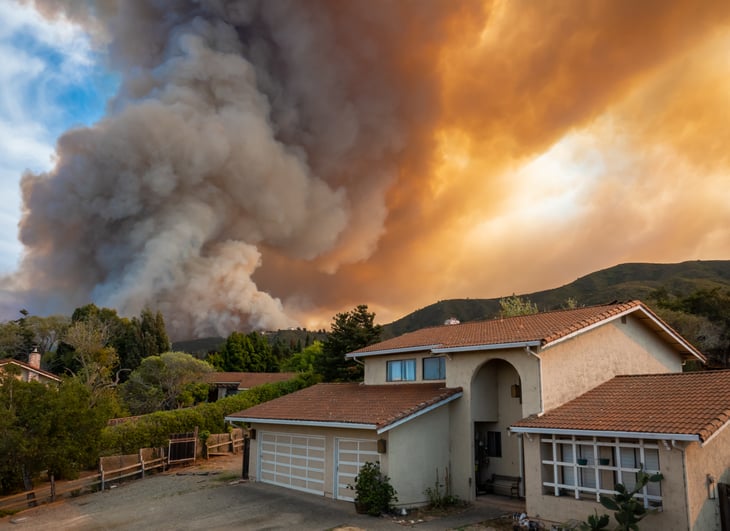
The Maui wildfires of 2023 killed 102 people, scorched nearly 7,000 acres and damaged or destroyed more than 3,300 properties. The Palisades Fire earlier this year killed 12 civilians, burned more than 23,000 acres and destroyed some 6,800 homes and businesses.
Behind devastating events like these are thousands of families making life-changing, split-second decisions. And as extreme fire events become a seasonal norm, preparation is everything.
When it comes to supplies, let’s dig a bit deeper than the obvious. Here are things you need to have at the ready before the next fire strikes — but that you might not have considered.
1. Apps and alerts
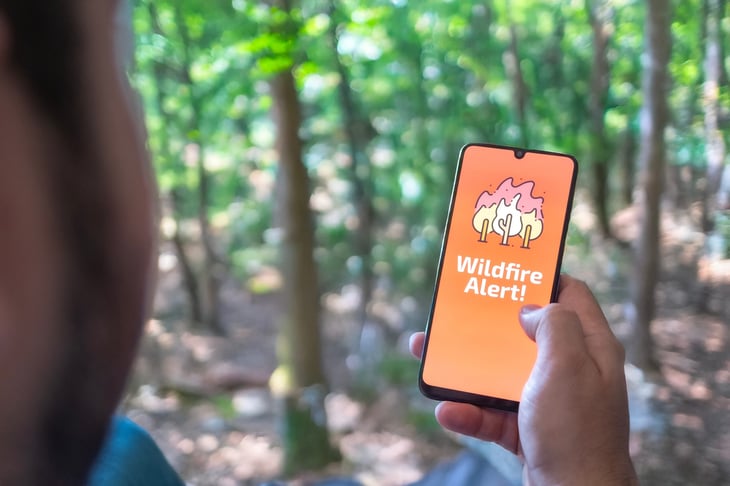
In an emergency, every second matters. Make sure you have the digital tools you need to stay one step ahead of disaster. Download the FEMA app to receive real-time weather alerts, and explore the range of community alerts available through Ready.gov.

2. Digital copies of documents and family photos

The Western Fire Chiefs Association Wildfire Preparedness Checklist advises those in fire-prone areas to create digital copies of important documents. These can be safely stored in the cloud. (Google provides every user with 15GB of free storage, and Amazon has a similar program for Prime members).
Consider including copies of the following:
- Home and auto insurance policies
- Health insurance cards
- Passports, Social Security cards and other forms of ID
- Birth certificates
- Important medical records
- Photos that document possessions and property (to facilitate insurance claims processing)
- Sentimental files, including family photos and genealogical documents

3. Neighbors’ contact information

There’s strength in community. Even if you don’t become best friends with your neighbors, offer to exchange contact information with them. This simple act can help neighborhoods:
- Stay informed as fires approach or shift paths.
- Evacuate more quickly, share rides, and offer assistance to elderly or vulnerable community members.
- Share information and secure property after a fire, based on who makes it back to the area first.

4. Cash

In moments of desperation, no one is Venmo-ing their way to safety. The digital infrastructure that supports banks and ATMs could fail during an extreme wildfire event. Physical cash is immediate and universal — use it to pay for gas, food, emergency medication and temporary lodging.
According to USA Today, financial advisors suggest that people living in high-risk areas should aim for a cash reserve of around $1,000. Divide the stash into various denominations to make small and large purchases simple and quick.

5. Pet kit
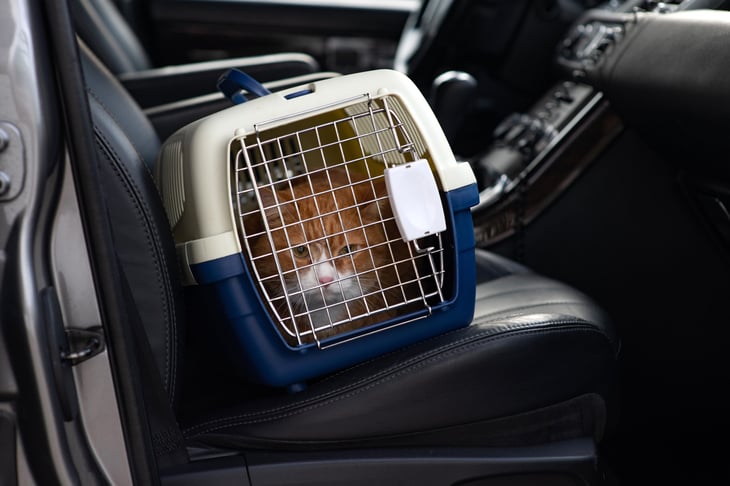
If you live in an area prone to climate disasters, you know how important a go bag is. Your pets need one too. Project Wildfire’s “Preparing Your Pets” guide suggests a few things to include:
- Medications and medical records
- Carriers
- Food, water, treats, a can opener, bowls, cat litter and litter boxes
- Leashes and harnesses
- Current photos of your pets (in case they get lost)
- Toys and bedding
- Feeding schedule, list of health issues, and contact information for your veterinarian

6. In your go bag: Paper maps and a compass
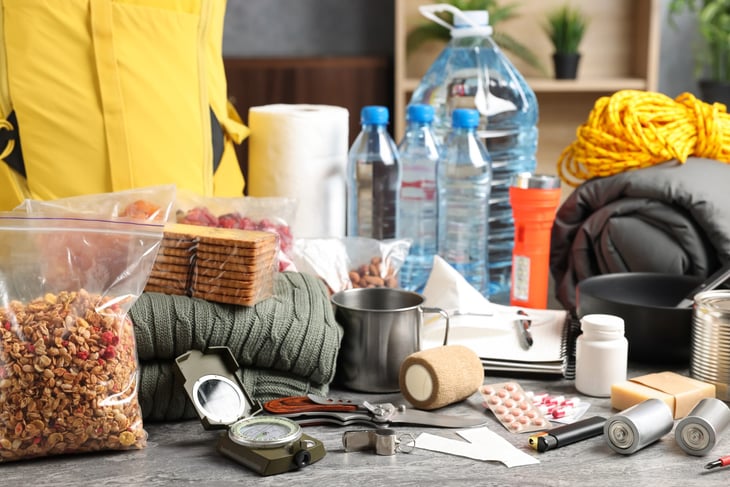
Those living in areas prone to natural disasters already know the importance of go bags. Filled with at least 72 hours’ worth of essential supplies, they’re part of Disaster Prep 101.
As you create your go bag, don’t forget analog tools like paper maps and a compass. In an extreme event, cell towers may be destroyed or their signals disrupted. A map in hand and a quality compass can help lead you to safety.

7. In your go bag: Padlocks

Wildfires can displace thousands of people in a matter of hours. That sort of chaos attracts criminal opportunists. A high-quality padlock helps secure your possessions wherever you happen to land.
A recent article in The Spruce examines the best padlocks by price, durability, security and other factors.

Learn more

Wildfires are complex events. The destruction and tragedy they leave behind can upend lives forever. Here are a few organizations attempting to not only raise wildfire awareness but also address the vast array of fire-related issues people face:
- National Child Traumatic Stress Network: Resources for adults to help kids cope with wildfire trauma
- American Red Cross: Wildfire Safety guide
- U.S. Forest Service: Free public fire information
- Cal Fire: Comprehensive resources on fire prevention, preparation and evacuation
- Centers for Disease Control and Prevention: Information on how wildfire smoke affects the body and how to protect yourself
- National Fire Protection Association: Wildfire evacuation planning for pets and horses


Add a Comment