



If you feel as though you’re being nickel-and-dimed by businesses nowadays, that’s probably because you are.
Of course, pricing varies from region to region, but many products and services that used to be free will now cost you. It could be only a buck or two, but it all adds up.
Here’s a look at some past freebies that are now long gone.
1. Certain medications

At one time, at least a half-dozen pharmacy chains boasted about the free prescription medications they provided. Those included antibiotics, prenatal vitamins and maintenance medications for conditions such as high blood pressure and diabetes.
But you won’t see any mention of no-cost prescriptions on many pharmacy websites nowadays.
The number of companies offering these freebies has been declining, and free prescriptions appear to be in danger of disappearing completely.
2. Single-use grocery bags

Free grocery bags are aren’t gone completely yet but seem to be on their way out the door. A dozen states ban plastic single-use grocery bags, and you may find you have to pay a fee if you want to use the paper alternative.
For instance, in Hawaii, retailers must charge customers a minimum of 15 cents for each recyclable or reusable paper bag provided during checkout.
Some stores are also independently eliminating free bags for their customers. Sprouts Farmers Market announced in 2023 that it was eliminating single-use plastic bags from its stores and would charge customers for reusable bags. Aldi is another chain that encourages customers to bring their own grocery bags, but shoppers can purchase paper or reusable bags.

3. Airline seat selection

If you want to pick where you sit on a plane, you may have to pony up some extra cash. We’re not talking about selecting premium seating either.
Some airlines — such as United and Alaska Airlines — won’t let you choose any seat if you are flying on their cheapest fares. Instead, they will assign you a spot. The same is true on budget airlines such as Frontier.
Making customers pay for a seat assignment is one of the ways airlines hide the true cost of a ticket.
4. Dinner reservations

Making dinner reservations at some restaurants nowadays requires more than leaving your name and the number in your party.
CBS MarketWatch reports that dining establishments are increasingly charging a reservation fee when patrons call to save a table. This fee is charged to a credit card in advance and deducted from your bill total at the end of the evening.
But if you are a no-show for your meal, you can kiss that money goodbye. It’s non-refundable.
5. Hotel amenities
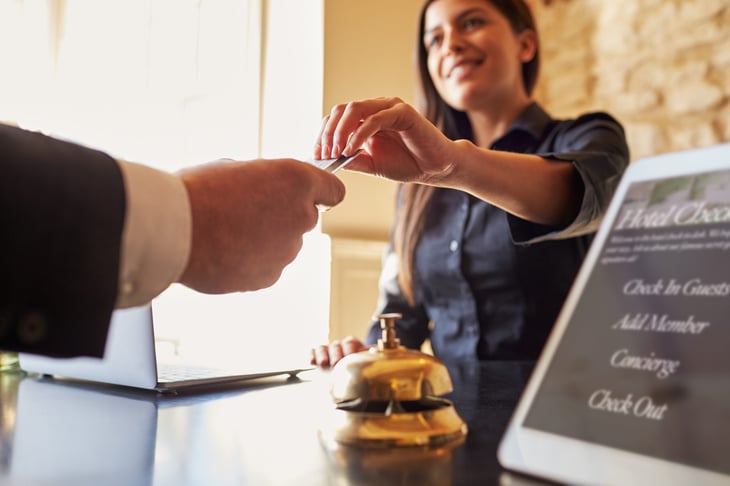
You’d think if you go to a hotel advertising a pool and Wi-Fi for guests’ use, those items would be included in the room rate. But apparently not.
Many hotels now tack on what are called resort fees to cover the cost of everything from “complimentary” newspapers to maintaining the on-site gym. It doesn’t matter if you don’t swim, don’t have a computer or don’t care about current events. Many hotels assess resort fees no matter what.
The same is true of early check-ins and late check-outs. Those used to be requests hotels would honor for free if their schedule allowed. Now, The Wall Street Journal reports you may pay as much as $150 for the privilege of staying a few extra hours at a hotel.
It may be possible to negotiate a waiver of some fees, as we explain in “.” But as the saying goes, your mileage may vary.
6. Drink refills

You used to be able to go into any restaurant, virtually anywhere, and get free refills on drinks such as soda pop and coffee.
However, as early as 2013, reports started surfacing that free refills were being phased out in some areas. Now, businesses may require that you purchase refillable mugs or sign up for an app if you want those drinks that were previously free.
Or you could simply have to pay for more — as may be the case at some McDonald’s restaurants that are phasing out self-serve soda machines.
7. Extras at restaurants

Speaking of restaurants, I used to get a free handful of dipping sauces when I asked for extras at our local McDonald’s. Nowadays, if I want more than two, I need to fork over some extra cash.
McDonald’s isn’t alone. The local pizza place no longer gives free extra cheese, and I was once at a burger joint that charged a $1.25 fee to share a meal with a friend. Really, I asked? Really, they said.
The Wall Street Journal notes that restaurants may tack on fees for everything from “kitchen appreciation” to “wellness” nowadays.
8. Water

OK, water is still free in many places, but some apparently prefer to pay through the nose for the bottled variety even though it may be the same as what comes from the tap.
And our willingness to pay for bottles seems to have led some restaurants to decide that water will no longer be a freebie for diners.
Going back to McDonald’s (yes, we eat there entirely too much), my non-pop-drinking daughter always orders water. I used to be able to get free water in a cup for her, but now I’m charged for a bottle of Dasani and told the free cup is not an option.
9. Airplanes everything

Oh, my. Where shall we start with this one? Because it isn’t just seat selection that you may have to pay for on your next flight.
In the olden days, you would buy a plane ticket, check your bags and maybe enjoy some free in-flight entertainment via a movie projected on a wall. The attendants would give you peanuts, a drink and maybe even a meal if you were on board long enough.
Today, you buy a plane ticket and then find yourself shelling out money for everything from your checked bag to your boarding pass to an in-flight blanket. Money Crashers has compiled a comprehensive list of the various fees you might encounter when flying.
Consider all of the extra charges before simply selecting the carrier with the lowest fare. Also fly prepared: Pack snacks and consider bringing your own entertainment.
10. Returning a rental car

Airlines aren’t the only ones getting a little crazy with their fees. Consumer Reports notes that rental car companies have also found ways to tack on extra charges to the base price of their vehicles.
Most egregious seems to be the early-return fee which is assessed if you cut your rental period short. Dollar Car Rental says it will charge a $32.50 fee if “you return the vehicle more than 24 hours before the date and time previously scheduled, and you fail to notify us more than 24 hours in advance of such change.”
11. TV

Like water, you can still get TV for free. Unfortunately, we seem to have hit the point at which paying for our on-screen entertainment seems to be a given for many Americans.
At one time, cutting the cord on cable was supposed to save money. But now, many people have simply replaced one expense with another by signing up for multiple streaming services.
Fortunately, there are still ways to find free TV if you know where to look — see “18 Streaming TV Services That Are Completely Free (Really).”
12. Air
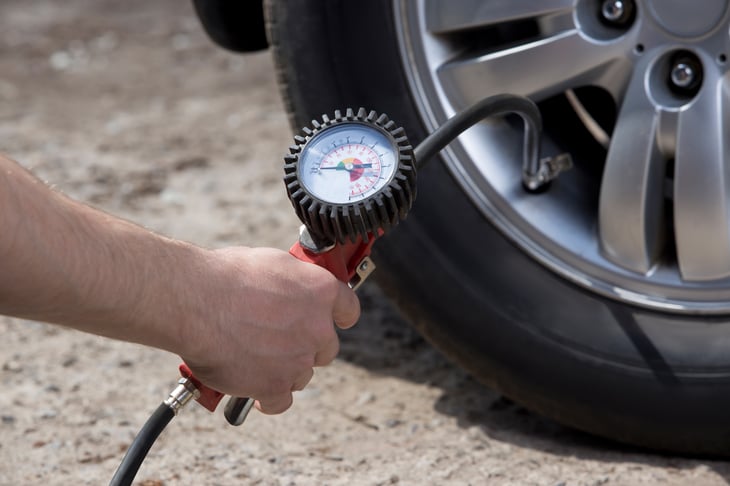
Oh, sure, the air you breathe is still free … for now. But the air you put in your tires? Now, that’s an entirely different story.
Once upon a time, every gas station in my town had a free air pump. Today, I need a few bucks to fill my tires. At least these pumps now take credit cards so I no longer have to hunt for quarters in the change jar.
As with other items on this list, you can still find freebies if you know where to look. FreeAirPump.com maintains a user-generated directory of free pumps. The site also says California and Connecticut drivers are entitled by state law to free air at service stations (although in California it’s only free with a purchase of gas).
13. ATM service

Up until 1996, the largest ATM networks — Cirrus and PLUS — banned banks from charging surcharge fees on in-network transactions. Once that restriction was lifted, it was off to the races for ATM surcharges.
In 2025, customers paid an average of $4.86 to withdraw money from an out-of-network ATM, according to Bankrate.
If you want to avoid paying to use the ATM, you could do business with one of the “9 Banks That Have Eliminated ATM Fees for Good.”
14. Bill payment

There’s nothing quite like being charged a fee for the privilege of paying a bill. And yet, that’s exactly what some companies do now. In the past, it seems as though they were just happy to get your money without making you pay more in order to hand it over.
I seem to run into these convenience fees most often if I try to pay on the phone, but they occasionally crop up online as well. For instance, the company that mows my lawn charges an $11.95 fee if I want to pay online with a credit card.
15. National parks

If you’re old enough, you may remember a time when all but a few national parks were free to enter and even camp. Although some parks had experimented with various fees dating as far back as their founding, it wasn’t until 1972 that federal law was amended to authorize recreation fees.
Today, 110 national parks charge an entrance fee, but you can avoid it by visiting during one of the National Park Service’s free admission days.
16. Recycling
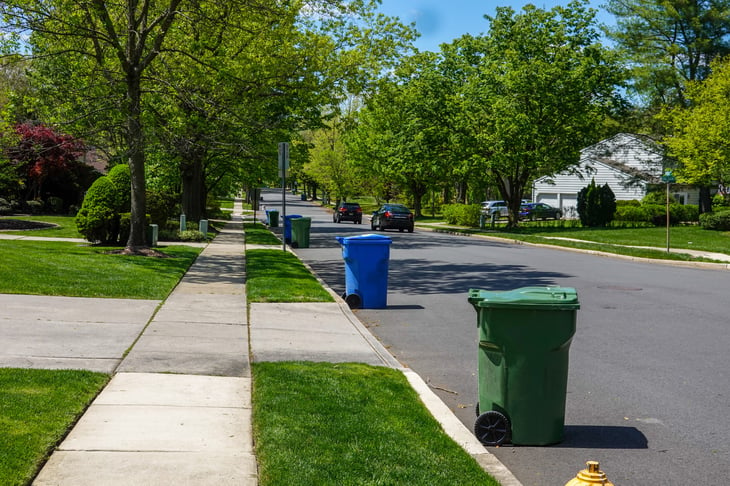
When my town first instituted curbside recycling — probably about 25 years ago now — it was a totally free service. You paid a $10 deposit for a bin, and that was it. Now, I am charged a fee for biweekly pickups.
Price comparison website CostOwl says homeowners pay an average of $15 to $35 per month for weekly or biweekly curbside recycling service. But you can still get “free” recycling in some places — cities such as Seattle cover the cost with taxpayer dollars.
17. School sports

Back when I was in middle and high school, school sports typically didn’t cost families a penny. Those schools that did toy with the idea of a pay-for-play model were met with outrage from both the community and parents.
Today, it’s not unusual for schools, both public and private, to charge those who want to participate in sports. The average sports registration fee is $168, according to the State of Play 2022 report from the Aspen Institute, which includes data from both school sports and non-school sports programs.
Of course, the participation fee is only one expense related to sports. The report notes that when you add in uniforms, travel, lessons and coaching fees, parents spend an average of $883 annually on their child’s primary sport.
18. Food delivery

I live ridiculously close to our local pizza place, and for years, they delivered my meals free of charge. Now, it costs me a minimum of $5 for them to travel less than two miles to my house, and I’m not sure why since they assure me the driver doesn’t pocket the cash and I should still tip.
There are some restaurants that still offer free delivery, but there is usually a catch, such as you have to order through an app. Or you could sign up for a membership with a service like Grubhub or DoorDash, but you could be paying a hefty markup on your food that way.
Consider doing take-out to save.
19. Information on the internet

In the early days of the internet, almost everything online was free. Granted, it wasn’t exactly the same caliber of content you’ll find nowadays, but you couldn’t beat the price.
Today, many websites are putting their content behind a paywall. Or you may have to sign up for a membership or otherwise fork over your personal information if you want to read an article.

Add a Comment