


Editor's Note: This story originally appeared on Trace One.
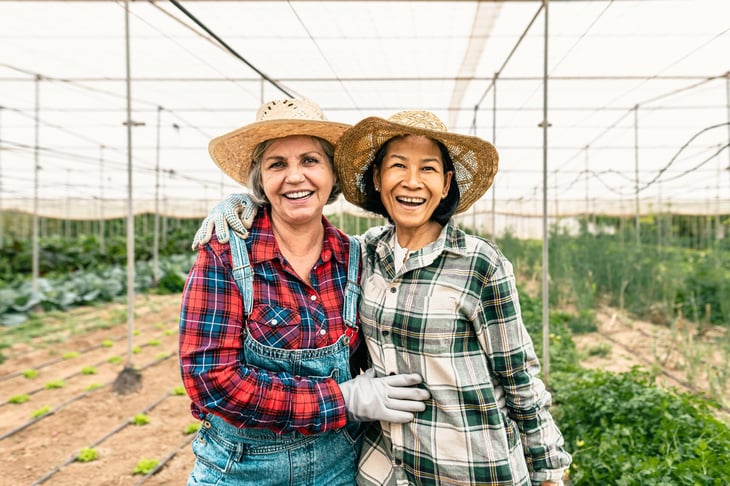
A quiet transformation is unfolding in American agriculture. Female farmers are taking on a larger role in shaping the future of farming, contributing to both local economies and national food production.
Recent data from the U.S. Department of Agriculture reveals a steady rise in the number of women involved in farm decision-making and management.
From small family farms to large commercial operations, women are increasingly present in agricultural leadership. As this shift continues, certain parts of the country stand out for having a higher concentration of female farmers.
This ranking by Trace One lists the states where women are making the biggest impact in agriculture. Learn more about the methodology at the end.
15. Vermont
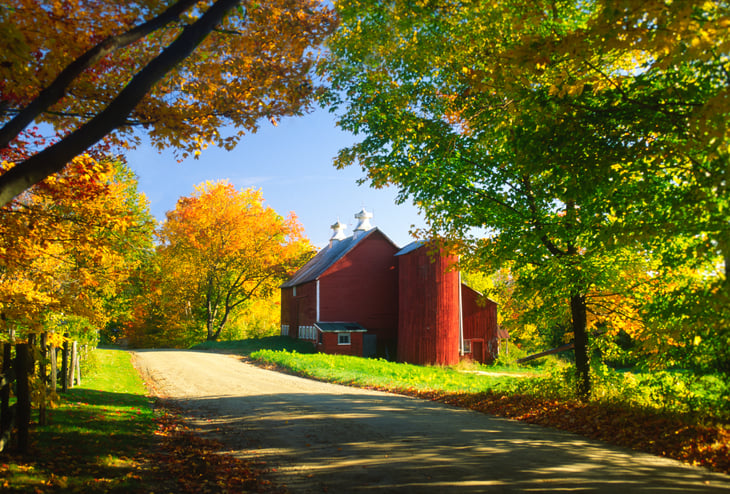
- Female producers as a share of total: 40.7%
- Female-operated farms as a share of total: 70.4%
- 10-year change in female producers: +8.0%
- 10-year change in female-operated farms: +4.1%
- Total female producers: 5,077
- Total female-operated farms: 4,603
- Total producers: 12,470
- Total farms: 6,537
14. Colorado
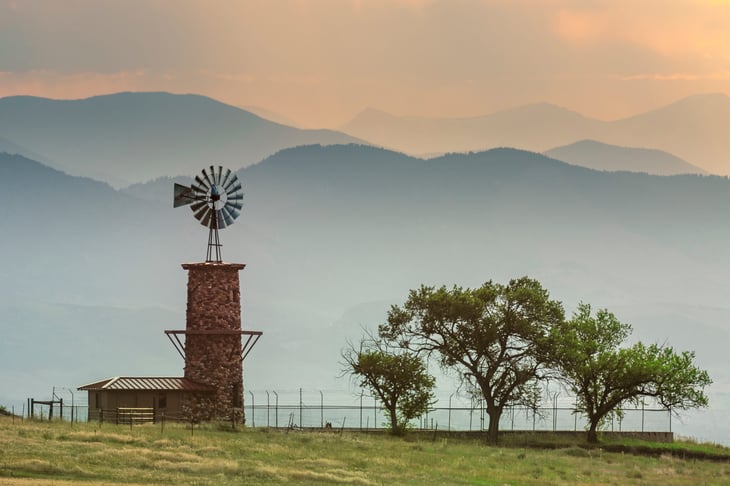
- Female producers as a share of total: 40.9%
- Female-operated farms as a share of total: 69.4%
- 10-year change in female producers: +29.4%
- 10-year change in female-operated farms: +23.5%
- Total female producers: 27,746
- Total female-operated farms: 25,007
- Total producers: 67,852
- Total farms: 36,056

13. Florida
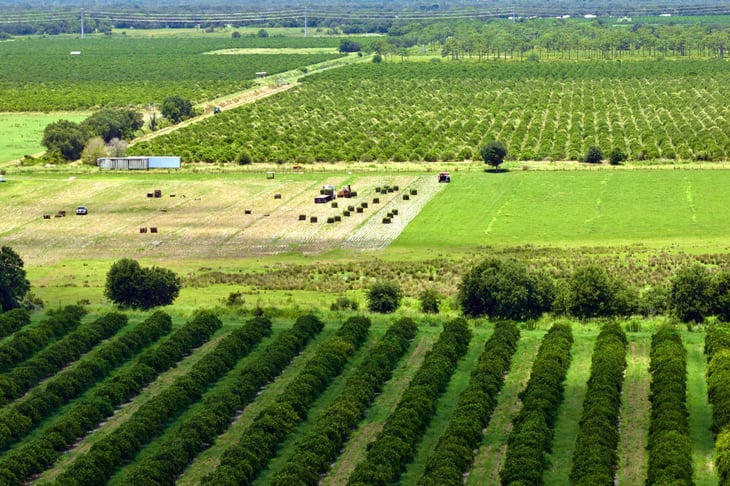
- Female producers as a share of total: 41.0%
- Female-operated farms as a share of total: 65.2%
- 10-year change in female producers: +24.3%
- 10-year change in female-operated farms: +18.4%
- Total female producers: 32,472
- Total female-operated farms: 29,127
- Total producers: 79,253
- Total farms: 44,703

12. Connecticut
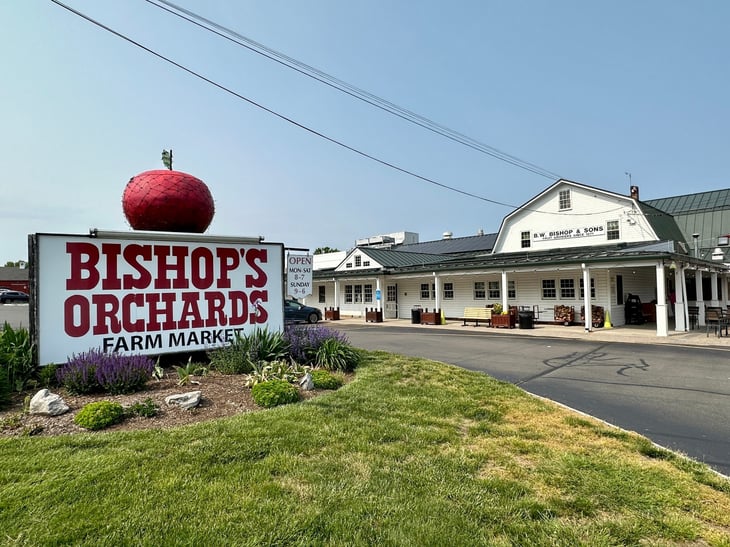
- Female producers as a share of total: 41.1%
- Female-operated farms as a share of total: 66.2%
- 10-year change in female producers: +3.2%
- 10-year change in female-operated farms: -0.2%
- Total female producers: 3,854
- Total female-operated farms: 3,349
- Total producers: 9,374
- Total farms: 5,058
11. Wyoming
- Female producers as a share of total: 41.2%
- Female-operated farms as a share of total: 70.4%
- 10-year change in female producers: +23.2%
- 10-year change in female-operated farms: +15.5%
- Total female producers: 8,313
- Total female-operated farms: 7,428
- Total producers: 20,192
- Total farms: 10,544

10. Washington
- Female producers as a share of total: 42.1%
- Female-operated farms as a share of total: 70.9%
- 10-year change in female producers: +13.9%
- 10-year change in female-operated farms: +7.0%
- Total female producers: 25,477
- Total female-operated farms: 22,747
- Total producers: 60,453
- Total farms: 32,076

9. Nevada
- Female producers as a share of total: 42.7%
- Female-operated farms as a share of total: 71.1%
- 10-year change in female producers: -7.7%
- 10-year change in female-operated farms: -11.3%
- Total female producers: 2,435
- Total female-operated farms: 2,220
- Total producers: 5,708
- Total farms: 3,122

8. Massachusetts
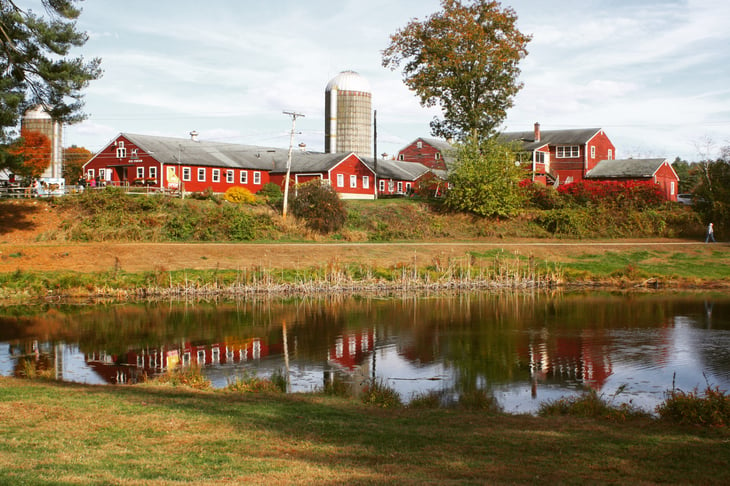
- Female producers as a share of total: 42.8%
- Female-operated farms as a share of total: 68.7%
- 10-year change in female producers: +12.0%
- 10-year change in female-operated farms: +5.9%
- Total female producers: 5,691
- Total female-operated farms: 4,868
- Total producers: 13,284
- Total farms: 7,083
7. Rhode Island

- Female producers as a share of total: 42.9%
- Female-operated farms as a share of total: 68.7%
- 10-year change in female producers: +9.2%
- 10-year change in female-operated farms: +3.7%
- Total female producers: 832
- Total female-operated farms: 724
- Total producers: 1,938
- Total farms: 1,054

6. Hawaii
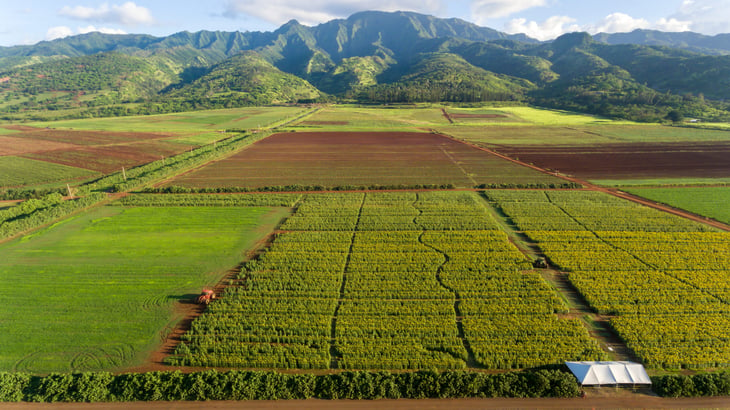
- Female producers as a share of total: 43.0%
- Female-operated farms as a share of total: 68.1%
- 10-year change in female producers: +33.8%
- 10-year change in female-operated farms: +25.2%
- Total female producers: 5,094
- Total female-operated farms: 4,473
- Total producers: 11,833
- Total farms: 6,569

5. Maine
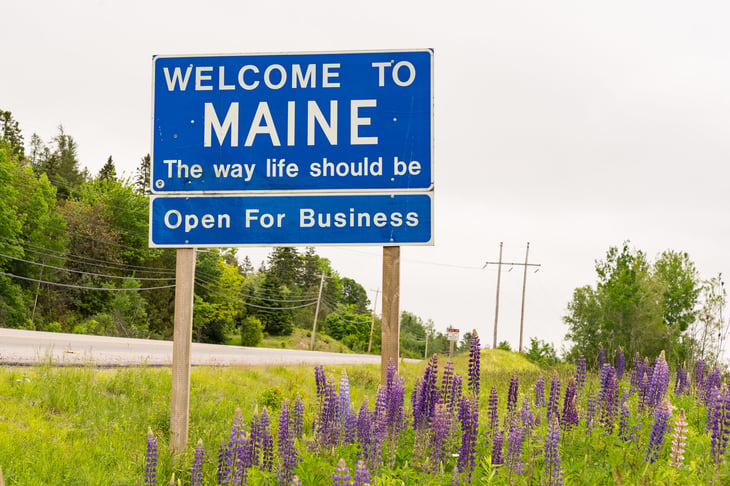
- Female producers as a share of total: 43.1%
- Female-operated farms as a share of total: 71.6%
- 10-year change in female producers: +4.3%
- 10-year change in female-operated farms: -0.6%
- Total female producers: 5,628
- Total female-operated farms: 5,041
- Total producers: 13,053
- Total farms: 7,036
4. Oregon
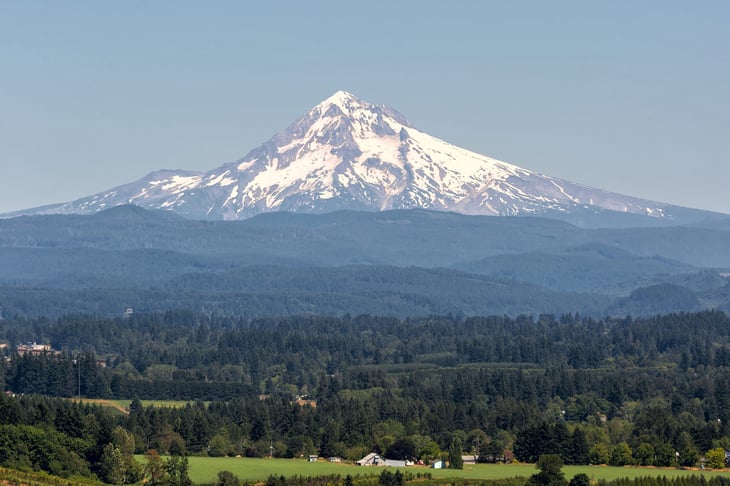
- Female producers as a share of total: 44.0%
- Female-operated farms as a share of total: 76.2%
- 10-year change in female producers: +32.4%
- 10-year change in female-operated farms: +25.6%
- Total female producers: 30,150
- Total female-operated farms: 27,100
- Total producers: 68,564
- Total farms: 35,547

3. New Hampshire
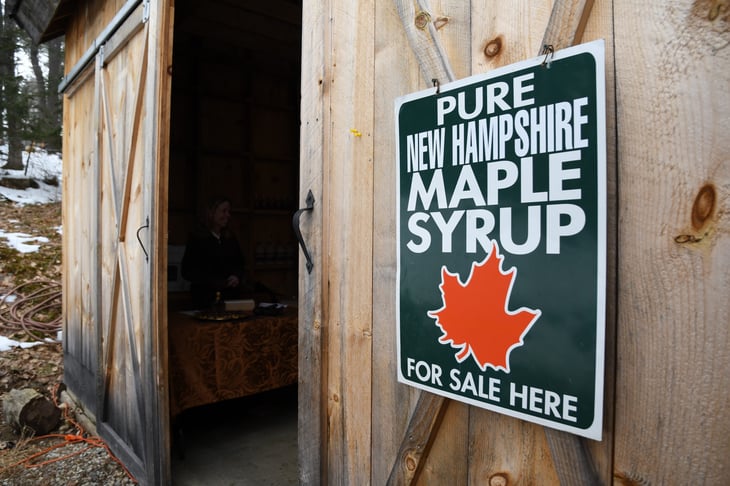
- Female producers as a share of total: 44.8%
- Female-operated farms as a share of total: 73.6%
- 10-year change in female producers: +5.8%
- 10-year change in female-operated farms: +2.5%
- Total female producers: 3,230
- Total female-operated farms: 2,907
- Total producers: 7,209
- Total farms: 3,949

2. Alaska
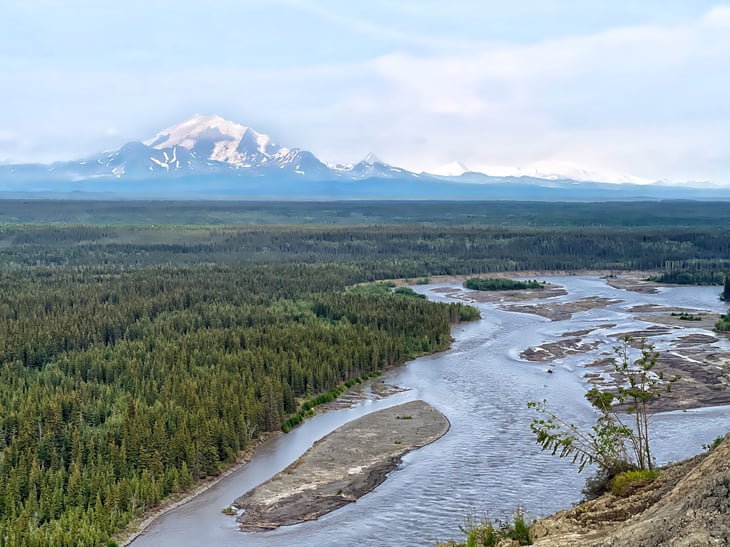
- Female producers as a share of total: 47.6%
- Female-operated farms as a share of total: 73.8%
- 10-year change in female producers: +89.5%
- 10-year change in female-operated farms: +82.7%
- Total female producers: 974
- Total female-operated farms: 866
- Total producers: 2,045
- Total farms: 1,173
1. Arizona
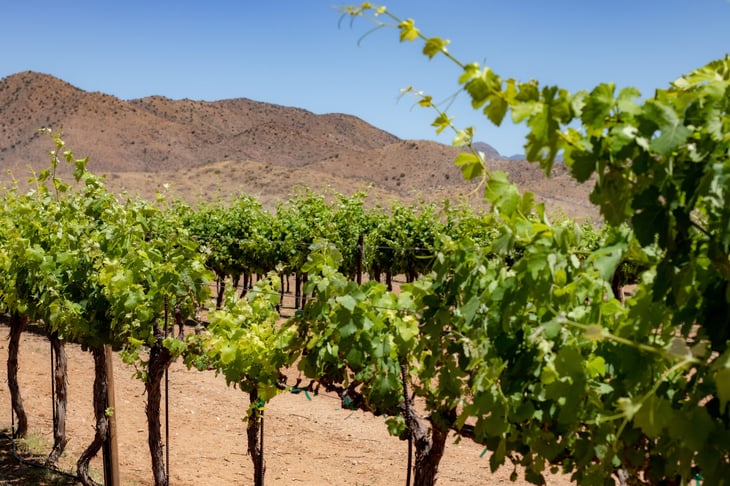
- Female producers as a share of total: 47.9%
- Female-operated farms as a share of total: 71.6%
- 10-year change in female producers: -4.9%
- 10-year change in female-operated farms: -8.6%
- Total female producers: 13,936
- Total female-operated farms: 11,972
- Total producers: 29,100
- Total farms: 16,710

Methodology

The data in this study was sourced from the U.S. Department of Agriculture’s (USDA) Census of Agriculture, specifically the most recent 2022 edition, which was released in 2024.
Researchers at Trace One analyzed the data to determine the states with the highest representation of female farmers. This was measured in two ways: the proportion of total agricultural producers who are women and the percentage of farms classified as female-operated.
According to the USDA, a producer is defined as any individual actively involved in making decisions for a farming operation. A female-operated farm, meanwhile, is one in which at least one producer is a woman.

Add a Comment